Bringing home a new pet often makes people want to “treat them like family” right away, including sharing food. But many common human foods can upset your pet’s stomach, cause serious health problems, or become a bad habit that is hard to break later. If you are a new pet owner, the safest approach is to keep your pet’s diet simple and avoid foods that are known to cause problems.
Avoid Giving Table Scraps in the First Weeks
During the first few weeks, your pet is already adjusting to a new home, a new schedule, and possibly new food. Adding table scraps can lead to stomach upset and makes it harder to tell what is causing digestive issues.
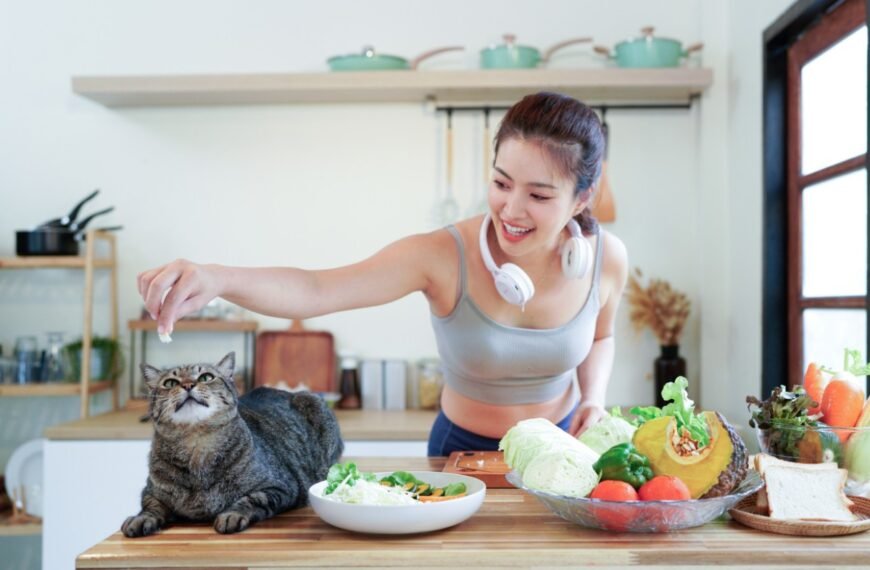
It can also create unwanted behaviors, like begging, stealing food, or refusing their normal meals.
Foods That Commonly Cause Stomach Upset
Even when a food is not “toxic,” it can still cause problems for new pets, especially puppies and kittens. Common trouble foods include greasy foods, spicy foods, rich sauces, and large amounts of dairy. Some pets also react poorly to unfamiliar meats or processed foods.
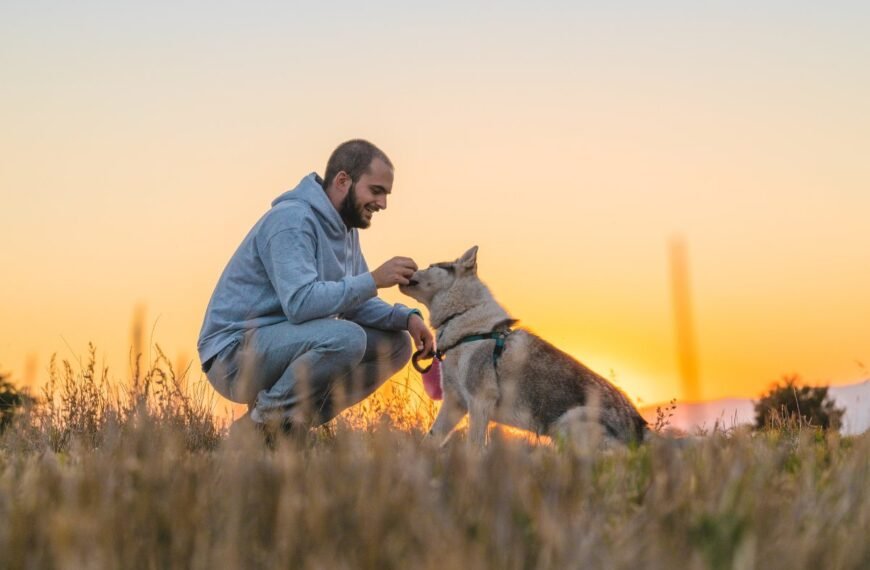
If you want to give a treat, use a small portion of a pet-safe treat instead of a bite from your plate.
Dangerous Foods to Avoid
Some foods can be harmful for dogs and cats, even in small amounts. The safest rule is to keep these foods completely off-limits.
Avoid feeding your pet foods such as chocolate, grapes or raisins, onions or garlic, alcohol, and anything containing xylitol (a sweetener often found in sugar-free products). Cooked bones can also be dangerous because they may splinter and cause choking or internal injury.
If you suspect your pet ate something dangerous, contact a veterinarian right away.
Be Careful With “People Food” Treating
Many new owners use food to bond quickly. That is understandable, but it can accidentally teach your pet to expect human food and ignore their regular diet. It can also lead to overeating and weight gain over time.
If you want to use food for bonding, choose a pet-safe treat and keep portions small. For puppies and kittens, even a small amount of extra food can add up quickly.
A Safer Approach for New Pet Owners
In the beginning, consistency matters more than variety. To keep things simple:
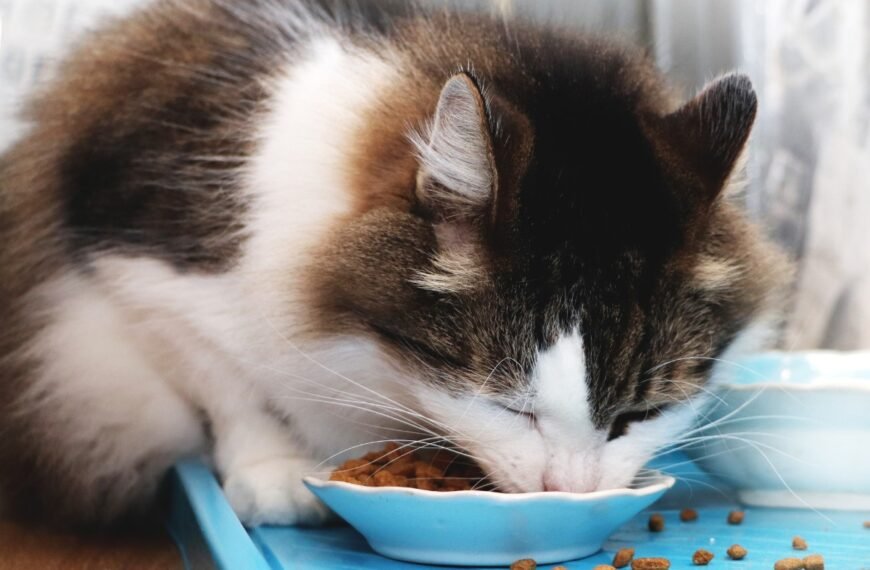
Stick with the food your pet is already used to, if possible.
Introduce new treats slowly.
Avoid giving human food during the adjustment period.
Watch for signs of digestive upset, like diarrhea, vomiting, or loss of appetite.
As your pet settles in and you learn what works for them, you will have plenty of time to expand their treat options safely.
Final Thought for New Pet Owners
Your pet does not need human food to feel loved. What they need most is consistency, calm routines, and a diet that helps them feel good. Keeping food choices simple in the early weeks is one of the easiest ways to support a healthy adjustment.